
Anchor Fastener FAQs – Dubai and the UAE
Answers to the questions UAE contractors, consultants and buyers ask our Dubai team most – about anchors, chemical anchors, delivery, prices and testing.


Buying from Fasteners King in the UAE
Are your Hilti, Fischer and Würth products genuine?
Yes. Fasteners King LLC supplies only original Hilti, Fischer and Würth products, each with a VAT invoice. Fake or tampered anchors look almost the same but can fail under load, so buying from a trusted supplier is the only way to be sure.
Where is your Dubai office?
DIB Warehouse G5, Warehouse No. 13, 318th Road, next to Al Ahli Driving Centre, Al Quoz Industrial 4, Dubai. We are open Monday to Saturday, 9:30 AM – 6 PM.
Do you deliver across the UAE?
Yes. We deliver to all seven emirates – Dubai, Abu Dhabi, Sharjah, Ajman, Ras Al Khaimah, Fujairah and Umm Al Quwain – from our Al Quoz warehouse. Share your site location on WhatsApp and we will confirm the delivery time.
Which brands do you stock in Dubai?
Hilti, Fischer, Würth and our own FastenKing range, along with Milwaukee tools.
How fast do you dispatch?
Orders are usually dispatched within 24 hours of your purchase order, subject to stock. A late anchor delivery can hold up a whole crew, so tell us your site deadline when you order.
How do I get a price?
Send your BOQ, drawing or product list on WhatsApp with your site location. Our Dubai team replies with price in AED and stock during office hours. VAT is extra, and bulk and project rates are available.
Do you export from Dubai?
Yes. Our Dubai branch exports worldwide. Send the product list and destination on WhatsApp for a quote.
Chemical anchors



What is a chemical anchor?
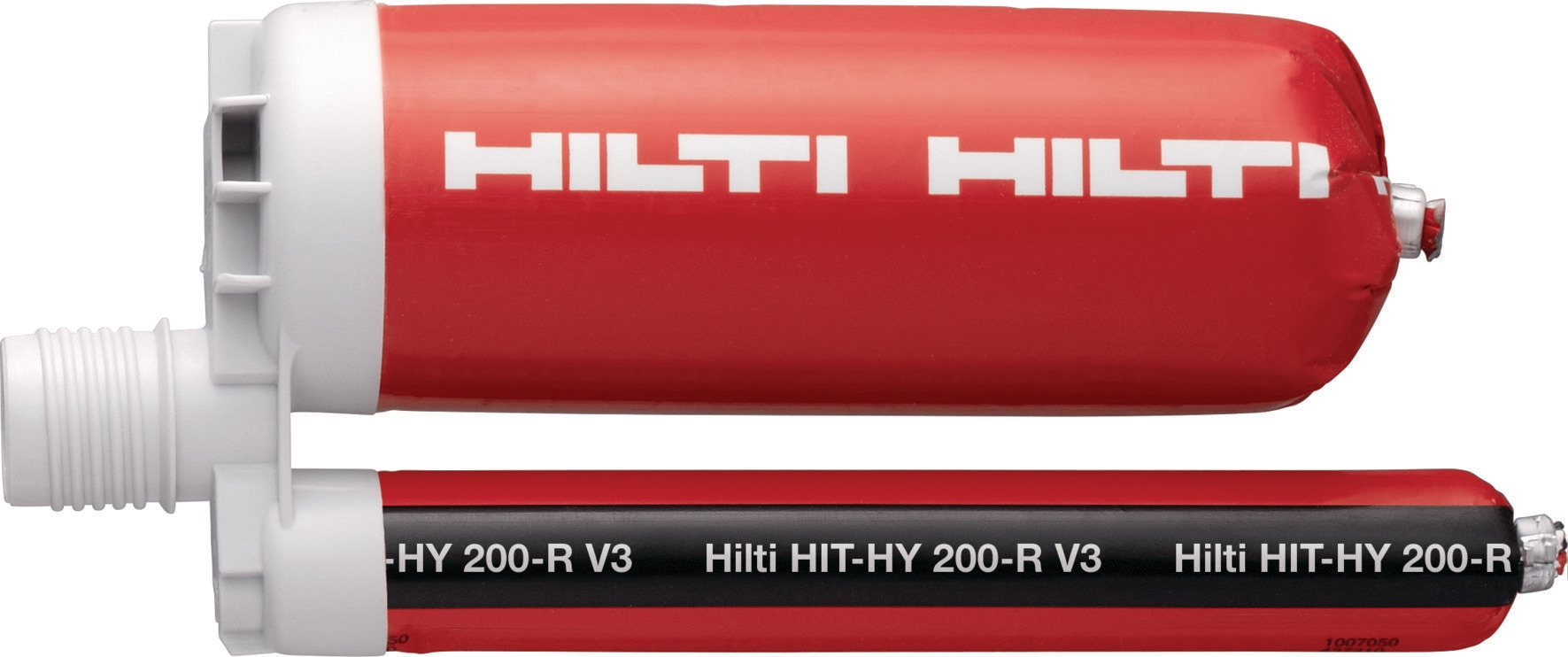
A chemical anchor is an injection mortar (resin) pumped into a drilled hole. A threaded rod or rebar is set in the mortar, which hardens and bonds the steel to the concrete. It holds heavier loads than most mechanical anchors and puts no expansion stress on the concrete.
Chemical anchor or mechanical anchor – which should I use?
Use a chemical anchor for heavy loads, rebar, fixings close to edges, and where the concrete must not be stressed. Use a mechanical anchor (wedge, sleeve or drop-in) when you need to load the fixing immediately and the load is moderate. Choosing the wrong type is a common reason for failed pull-out tests.
Do chemical anchors behave differently in UAE heat?
Yes. In hot weather the working (gel) time is much shorter, so inject one hole at a time and check the temperature table on the cartridge. Keep cartridges in the shade on site.
How long does a chemical anchor take to cure?
It depends on the mortar and the temperature – from under an hour for fast-curing mortars to many hours for epoxies. Always check the curing table printed on the cartridge. Loading an anchor before it has cured is one of the most common causes of failure.
Epoxy or vinylester – what is the difference?
Epoxy (like Fischer FIS EM Plus or Würth WIT-PE 510) is for rebar, heavy structural loads and deep or wet holes, but cures slowly. Vinylester and hybrid mortars cure fast, so the fixing can take load the same day.
How many cartridges will I need?
It depends on the hole diameter, depth and number of holes. Use our free chemical volume calculator or send your details on WhatsApp.
What drill hole size do I need?
The hole is usually slightly bigger than the rod – for example, about 14 mm for an M12 rod with many mortars. Always follow the setting table for the exact product, because the wrong hole size reduces the load the anchor can carry.
How do I clean the hole?
Blow, brush, blow – blow out the dust, brush the hole with the right-size brush, and blow again. Dust left in the hole is the biggest single cause of weak chemical anchors.
Can I use a chemical anchor in a wet or water-filled hole?
Only with a mortar approved for it. Fischer FIS EM Plus, for example, can be used in water-filled holes. Using the wrong mortar in a wet hole can cut its strength sharply.
How should I store chemical cartridges?
Store them in a cool, dry place out of direct sun and use them before the expiry date. Heat shortens shelf life, which matters on UAE sites.
Mechanical anchors
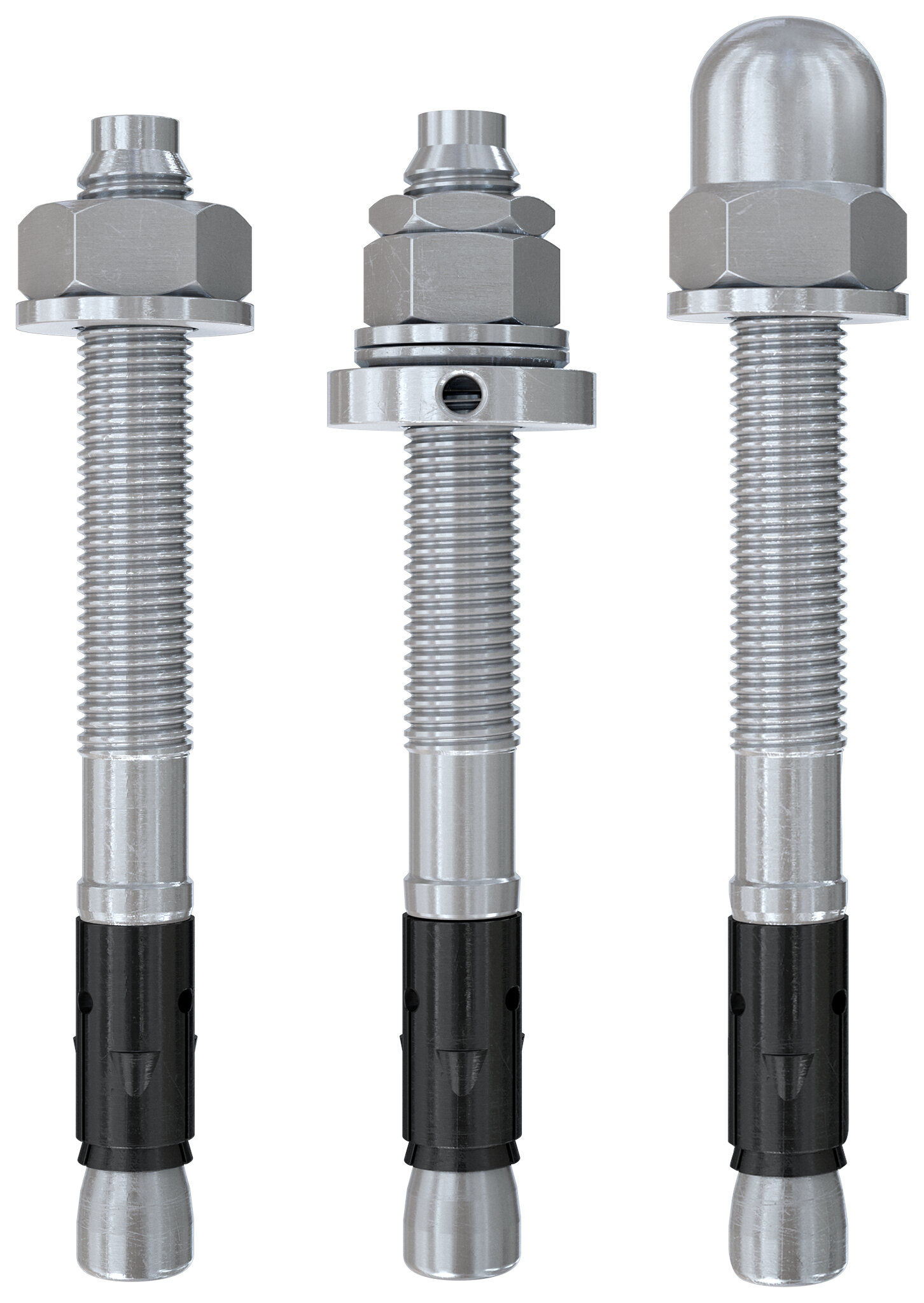

Wedge anchor, sleeve anchor or drop-in anchor – which one?
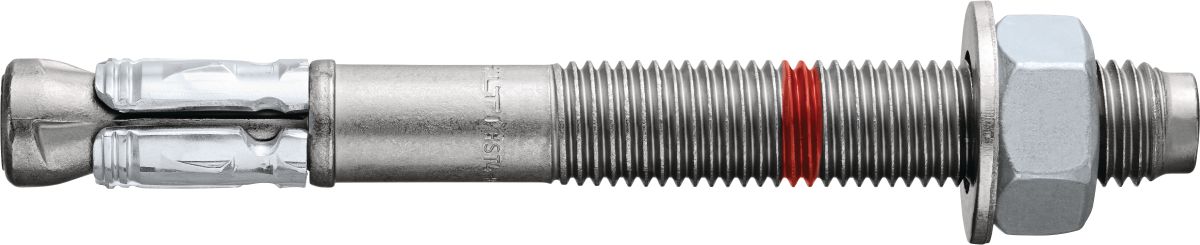
Wedge (bolt) anchors suit steel structures and heavy fixings in solid concrete. Sleeve anchors suit medium loads and a wider range of base materials. Drop-in anchors sit flush and suit overhead fixings with threaded rods – pipes, ducts and cable trays.
What is cracked concrete and why does it matter?
Most concrete in a building cracks slightly under load. Anchors approved for cracked concrete (such as Hilti HST4 or Fischer FAZ II Plus) keep their hold when a crack runs through the hole. Using a non-approved anchor in a structural fixing is a real safety risk.
Do I need stainless steel anchors on coastal sites?
For outdoor, coastal or humid sites, choose stainless steel (A4 / R grade) or a suitable coating. Zinc-plated anchors can rust outdoors and lose strength over time.
How deep should an anchor be set?
Follow the minimum embedment depth in the product setting table. Setting an anchor too shallow is a common reason for low pull-out values.
How do I convert inch sizes to mm?
Use our free size converter to convert between inch and mm and find the nearest anchor size.
Testing and quality
What is an anchor pull-out test?
A pull-out test checks on site that an installed anchor holds the required load. Many consultants ask for it before handover.
How can I tell if a Fischer or Hilti anchor is fake?
Check the packaging, printing and batch details, and ask the seller for a VAT invoice. The safest step is to buy from a trusted supplier.
WhatsApp DubaiCall +971 58 546 4012