
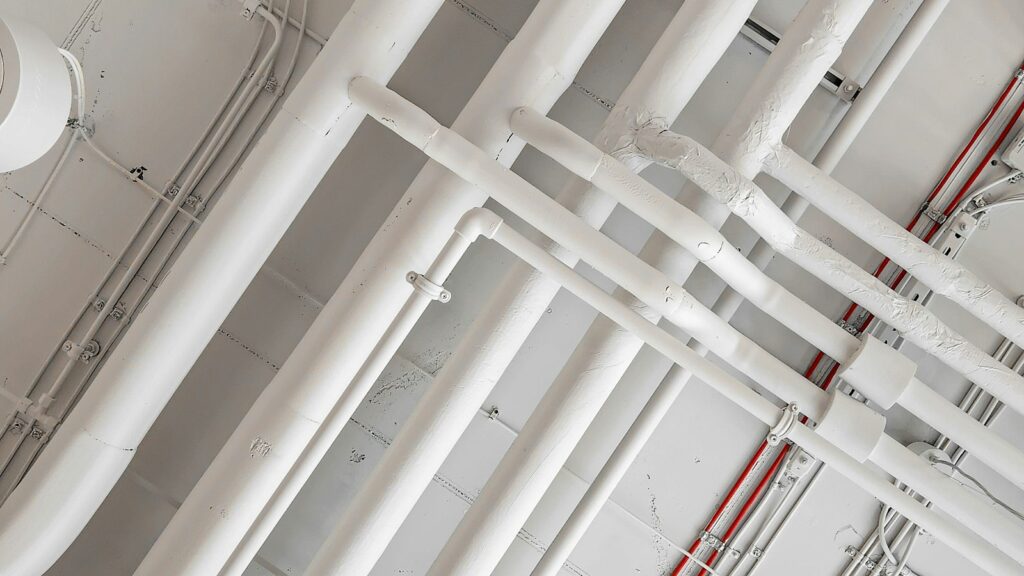
Pipe supports in MEP projects usually fail for four reasons: the wrong clamp for the load, supports spaced too far apart, weak anchors into the slab, and corrosion. When one support fails, the load shifts to the next ones, and the whole line can sag, leak or vibrate. Choosing the right support at the start is far cheaper than repairs later.
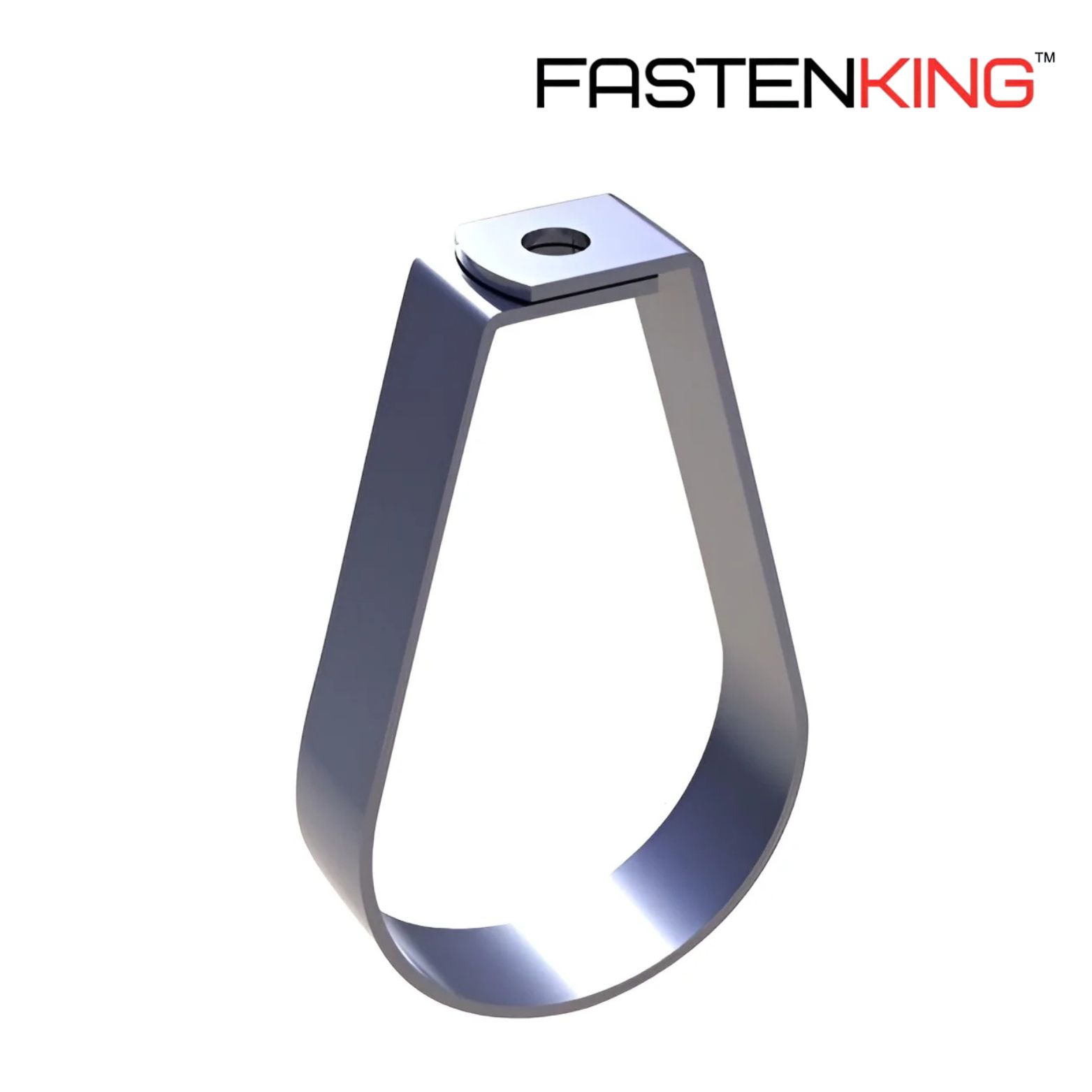
Why pipe supports matter
Supports carry the weight of the pipe, its contents and insulation, hold it in line, and control movement. If a support fails, joints are stressed, slopes change and leaks start.
The four main causes of failure
1. Wrong clamp for the load
Light clamps on heavy, water-filled lines bend and open up. Read when you need heavy-duty pipe supports.
2. Too much spacing
Supports spaced wider than the design make each one carry more than it should.
3. Weak anchors
Plastic plugs or badly installed anchors pull out of the slab, especially overhead. Use load-rated anchors, installed correctly.
4. Corrosion
Plain steel clamps in wet or outdoor areas rust through. Use galvanised or stainless.
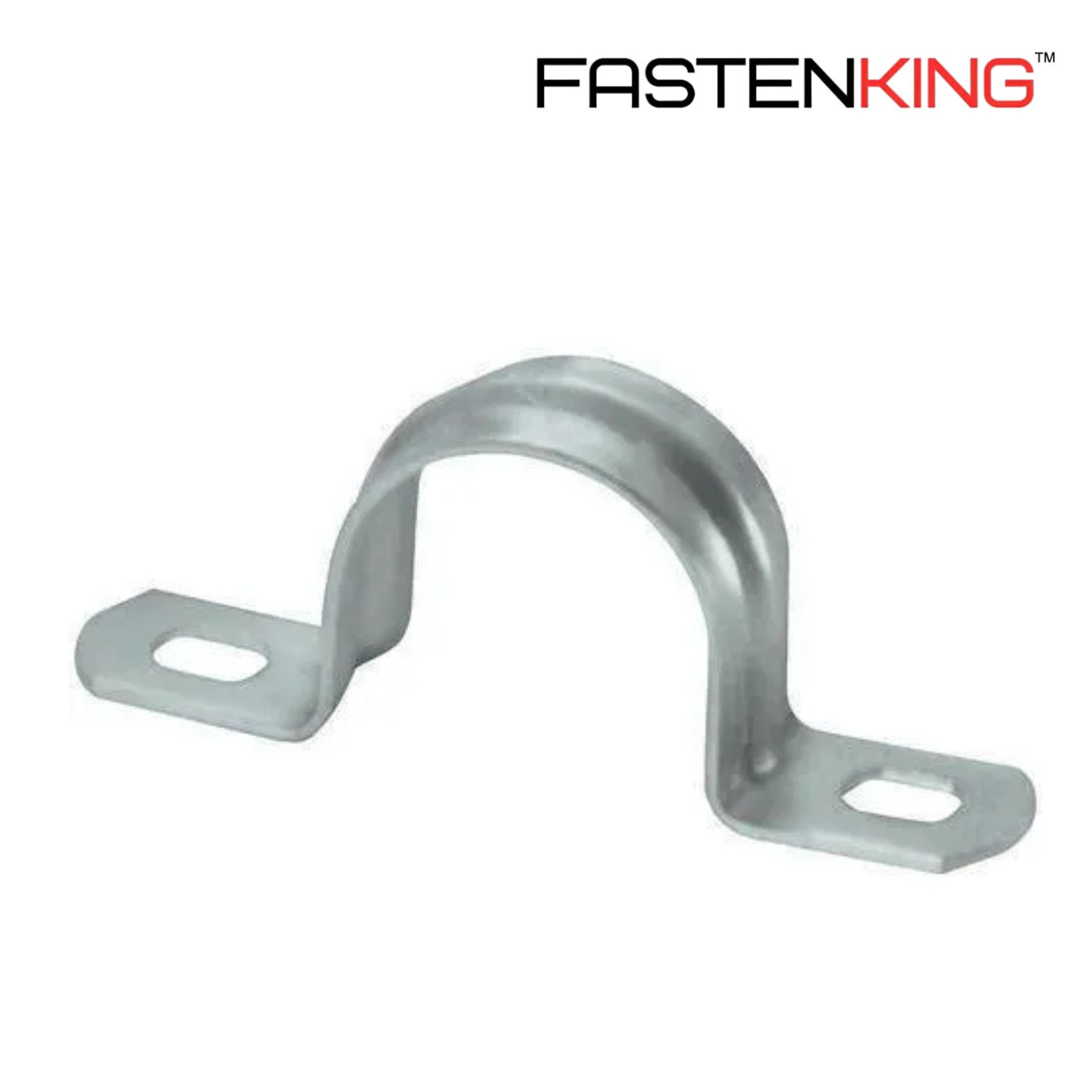
Signs a support is failing
- Sagging pipe between supports
- Humming or knocking noise
- Rust stains around clamps
- Gaps between the clamp and the pipe
How to get it right
- Calculate the full load, including water and insulation
- Follow the design spacing
- Use rubber-lined clamps where there is vibration
- Choose the material for the exposure
- Anchor into the slab with the right, load-rated anchor
Read why rubber-lined clamps matter in MEP and why fasteners fail from corrosion.
Get the right pipe supports
Fasteners King has supplied anchors and fixings since 1979. We are India’s No. 1 Fischer channel partner (5 years in a row) and an Authorised Hilti Channel Partner, with stock in Delhi, Guwahati and Dubai. See our pipe support clamps for MEP projects across Delhi, Assam and the UAE.