
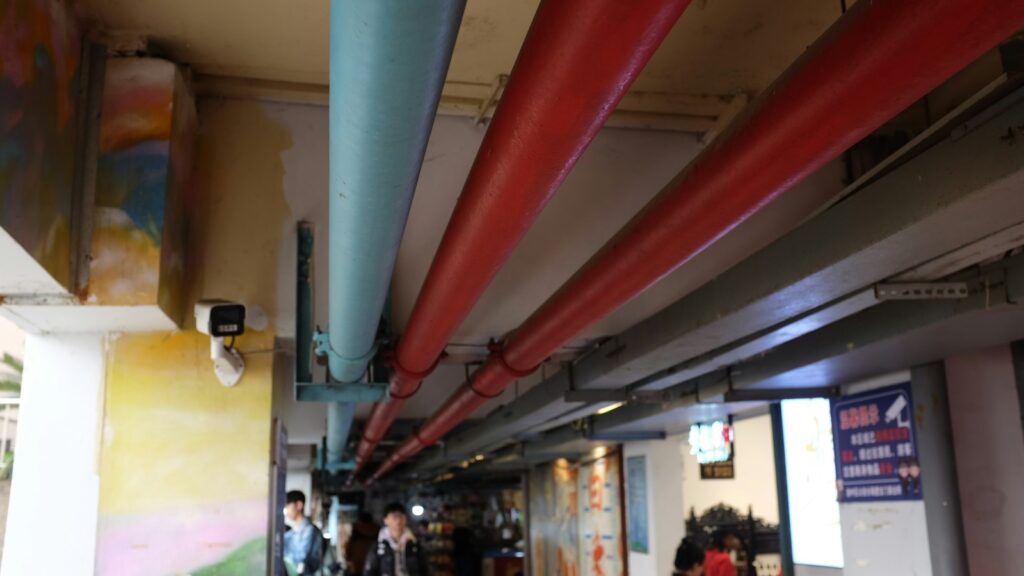
Rubber-lined pipe clamps stop vibration and noise travelling from pipes into the building, allow small thermal movement, and protect the pipe surface. In MEP work they are the standard choice for HVAC, chilled-water, plumbing and pump lines in occupied buildings.

What problem they solve
Water flow, pumps and pressure changes make pipes vibrate. A bare metal clamp passes that vibration straight into slabs and walls, where it is heard as humming or knocking in rooms. Over time the vibration also loosens fixings.
Benefits of a rubber lining
- Less noise: the lining absorbs vibration before it reaches the structure
- Room for movement: pipes can expand and contract with temperature
- Surface protection: no metal-to-metal contact, so less wear on the pipe
- Better grip: the lining holds the pipe evenly without crushing it
Where to use them
- HVAC and chilled-water lines in hotels, hospitals and offices
- Plumbing risers in residential towers
- Pump and plant rooms
- Copper and other soft pipes that a bare clamp could damage
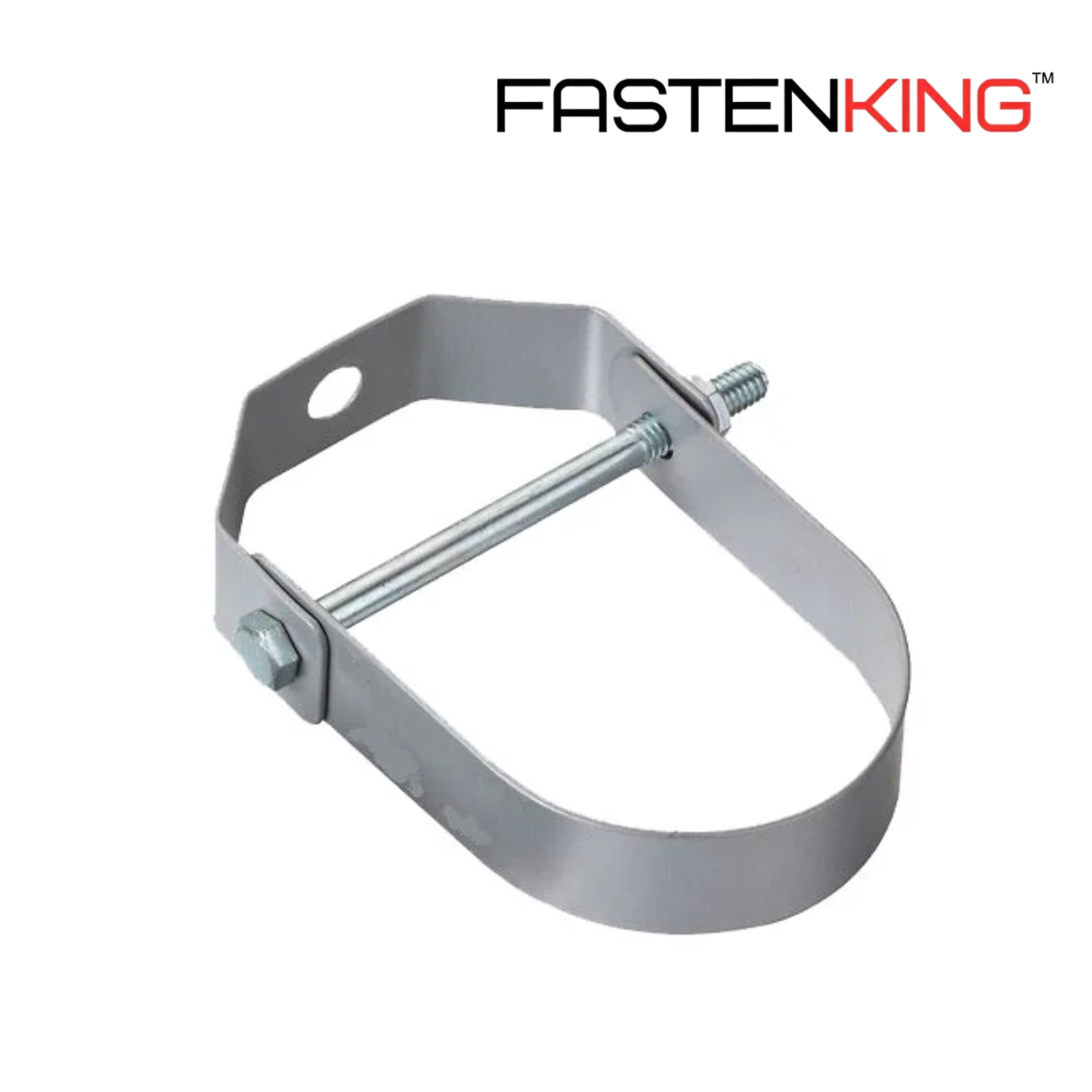
The common mistake
Using a standard metal clamp on a vibrating or occupied-area line to save cost. The noise complaints and loosened fixings come later and cost more to fix.
How to choose
- Match the clamp size to the pipe outside diameter, including insulation if clamped over it
- Check the load the clamp and hanger must carry
- Use galvanised or stainless clamps outdoors
- Fix the hanger with a load-rated anchor
More: when you need heavy-duty pipe supports and why pipe supports fail in MEP projects. For outdoor lines, read how to protect fasteners from rust.
Get rubber-lined clamps
Fasteners King has supplied anchors and fixings since 1979. We are India’s No. 1 Fischer channel partner (5 years in a row) and an Authorised Hilti Channel Partner, with stock in Delhi, Guwahati and Dubai. See our pipe support clamps and WhatsApp your sizes for a quote.