Read more about the article Why Does Stone Cladding Fail on Buildings?
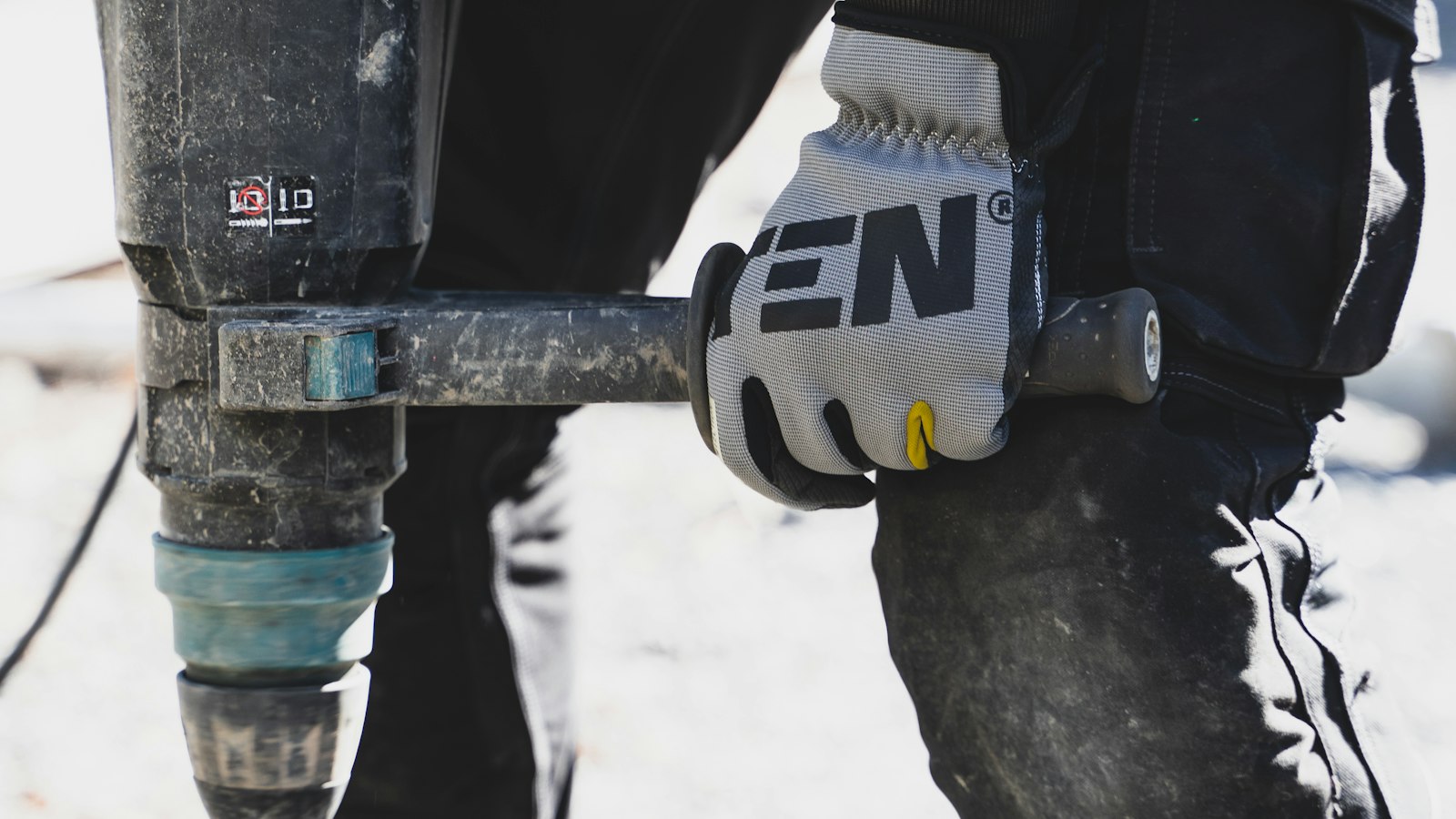
Photo by Sergej Kaldesic on Unsplash

Why Does Stone Cladding Fail on Buildings?

  • Post author:
  • Post published:
  • Post category:Blogs

Stone cladding failures on buildings are more common than you think, often caused by poor quality clamps, improper installation, or using the wrong supplier for your region's specific conditions. Whether you're sourcing in Delhi, Assam, or Dubai, choosing a reliable stone cladding clamp supplier is critical to long-term structural integrity. Understand the key reasons cladding fails and how the right supplier and components can prevent costly damage and safety hazards.

Continue ReadingWhy Does Stone Cladding Fail on Buildings?

How Do You Install a Hilti Chemical Anchor? Steps That Prevent Failure

  • Post author:
  • Post published:
  • Post category:Blogs

Proper installation of Hilti chemical anchors is the difference between a secure, long-lasting fix and a costly, dangerous failure. From hole preparation and cleaning to correct mixing and curing time, every step plays a critical role. Follow this simple guide to ensure flawless installation and get the full strength and performance Hilti chemical anchors are designed to deliver.

Continue ReadingHow Do You Install a Hilti Chemical Anchor? Steps That Prevent Failure

When Should You Use High-Performance Hilti Anchors?

  • Post author:
  • Post published:
  • Post category:Blogs

High performance anchors are essential when standard fastening solutions simply won't meet the demands of heavy loads, dynamic forces, or challenging environments. Whether it's seismic zones, cracked concrete, or critical structural applications, knowing when to upgrade matters. Learn the key situations that call for high performance anchors to ensure maximum safety and reliability.

Continue ReadingWhen Should You Use High-Performance Hilti Anchors?
Read more about the article What Are the Most Common Fischer Anchor Mistakes on Site?
Photo by Jimmy Nilsson Masth on Unsplash

What Are the Most Common Fischer Anchor Mistakes on Site?

  • Post author:
  • Post published:
  • Post category:Blogs

Looking for a Fischer anchor dealer near you? Many websites make critical errors that prevent customers from finding local suppliers easily. Discover the most common site mistakes to avoid and ensure your customers can locate your dealership without any hassle.

Continue ReadingWhat Are the Most Common Fischer Anchor Mistakes on Site?

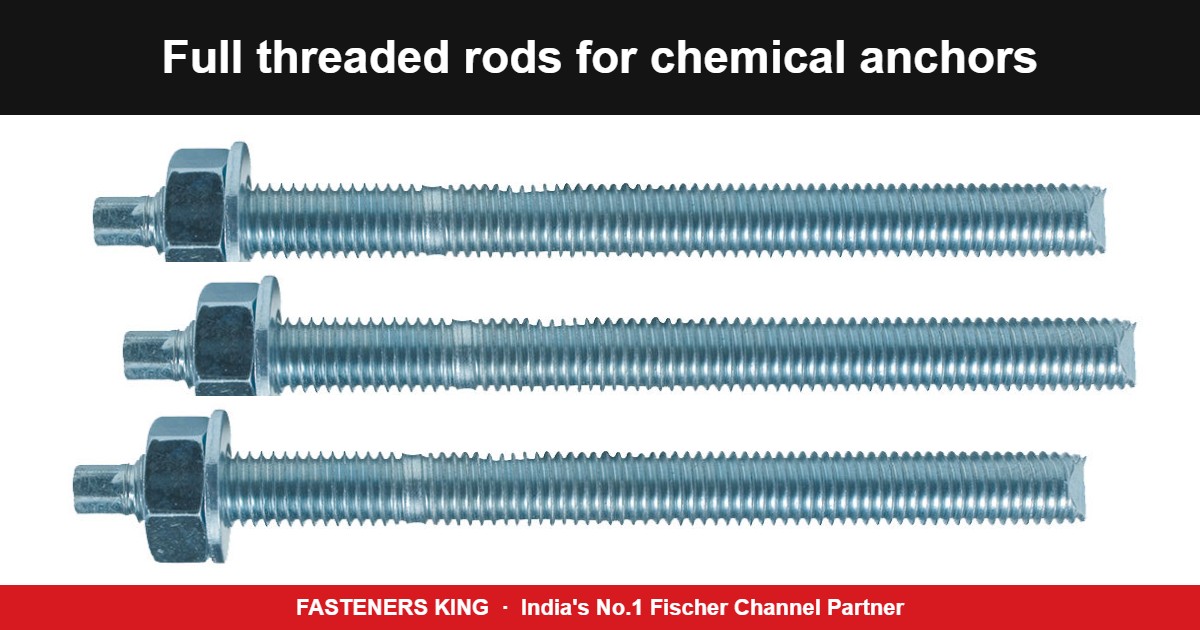
Which Threaded Rod Should You Use with Chemical Anchors?

  • Post author:
  • Post published:
  • Post category:Blogs

Choosing the right material for Fischer anchors is crucial for ensuring safety, durability, and performance in any application. From stainless steel to nylon and zinc-plated options, each material suits different environments and load requirements. Learn how to make the right choice based on your project's specific conditions and demands.

Continue ReadingWhich Threaded Rod Should You Use with Chemical Anchors?

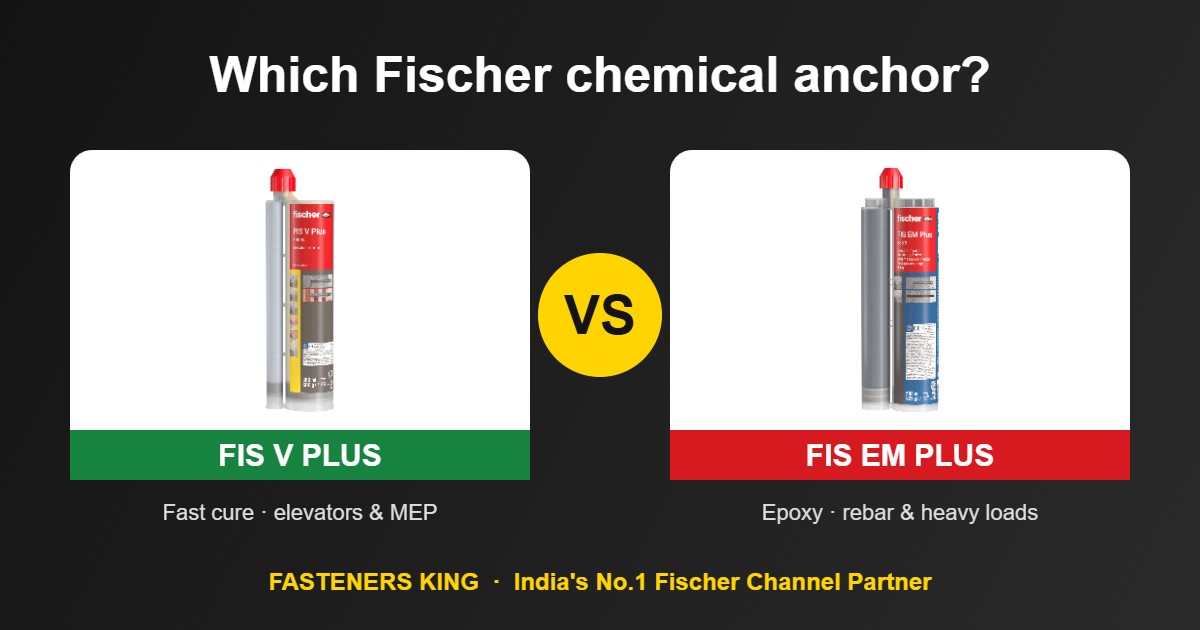
How Do You Choose the Right Fischer Chemical Anchor?

  • Post author:
  • Post published:
  • Post category:Blogs

This practical guide addresses a major blind spot in modern construction: the blind selection of chemical anchors. In busy hubs from Delhi NCR to Dubai, contractors frequently face anchor failures and expensive reworks simply because they treat all chemical fasteners equally. By highlighting critical installation mistakes—like poor hole cleaning and ignoring curing times—and outlining a simple 4-step selection framework (Load, Base Material, Environment, Method), this piece serves as an essential checklist for engineers and purchase managers looking to secure their structures safely and efficiently.

Continue ReadingHow Do You Choose the Right Fischer Chemical Anchor?

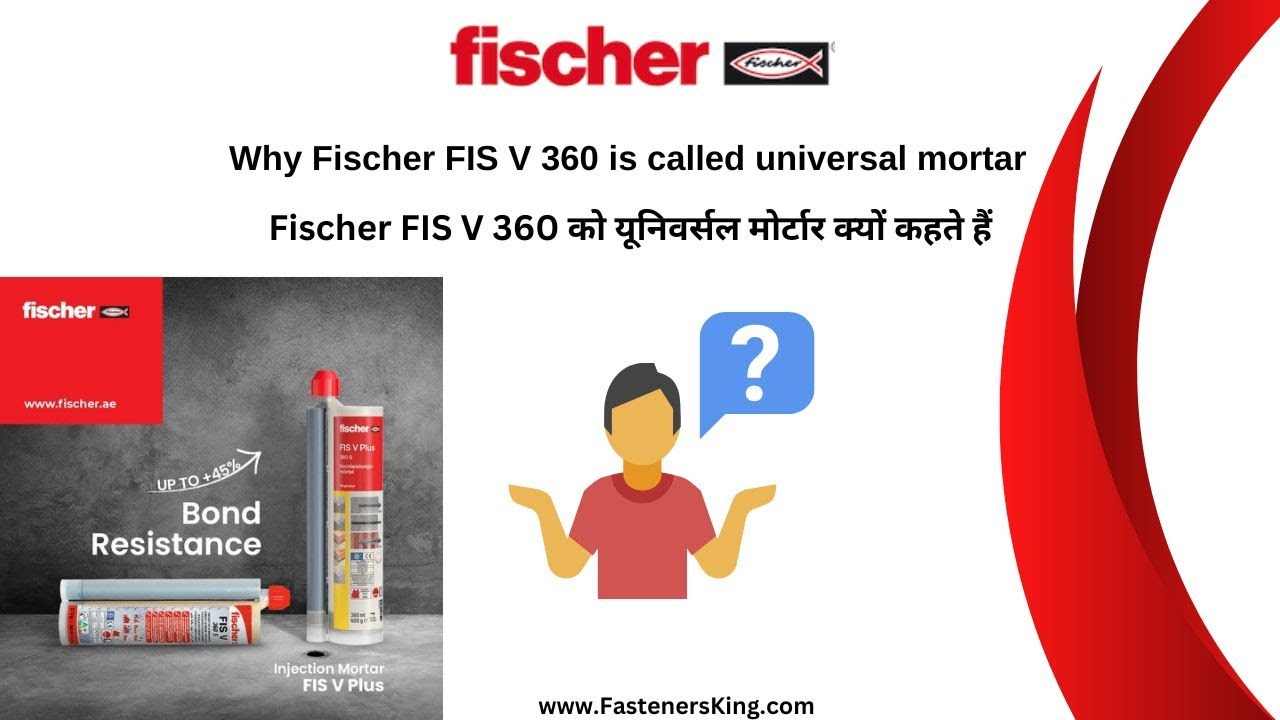
Why Is Fischer FIS V Plus 360 S Called a Universal Mortar?

  • Post author:
  • Post published:
  • Post category:Videos

The Fischer FISV 360 is often referred to as "Universal Mortar" because of its exceptional versatility and adaptability in various construction applications. This high-performance mortar is designed to work effectively in a wide range of substrates, including concrete, masonry, and even hollow blocks. Its universal applicability makes it a go-to choice for builders and contractors when they need a reliable solution for anchoring heavy loads, such as steel structures, machinery, or fixtures, without the need for multiple specialized products. The "universal" aspect of this mortar signifies its capability to provide a robust and dependable anchoring solution in a diverse array of construction scenarios, simplifying the selection and usage of anchor mortars.

Continue ReadingWhy Is Fischer FIS V Plus 360 S Called a Universal Mortar?

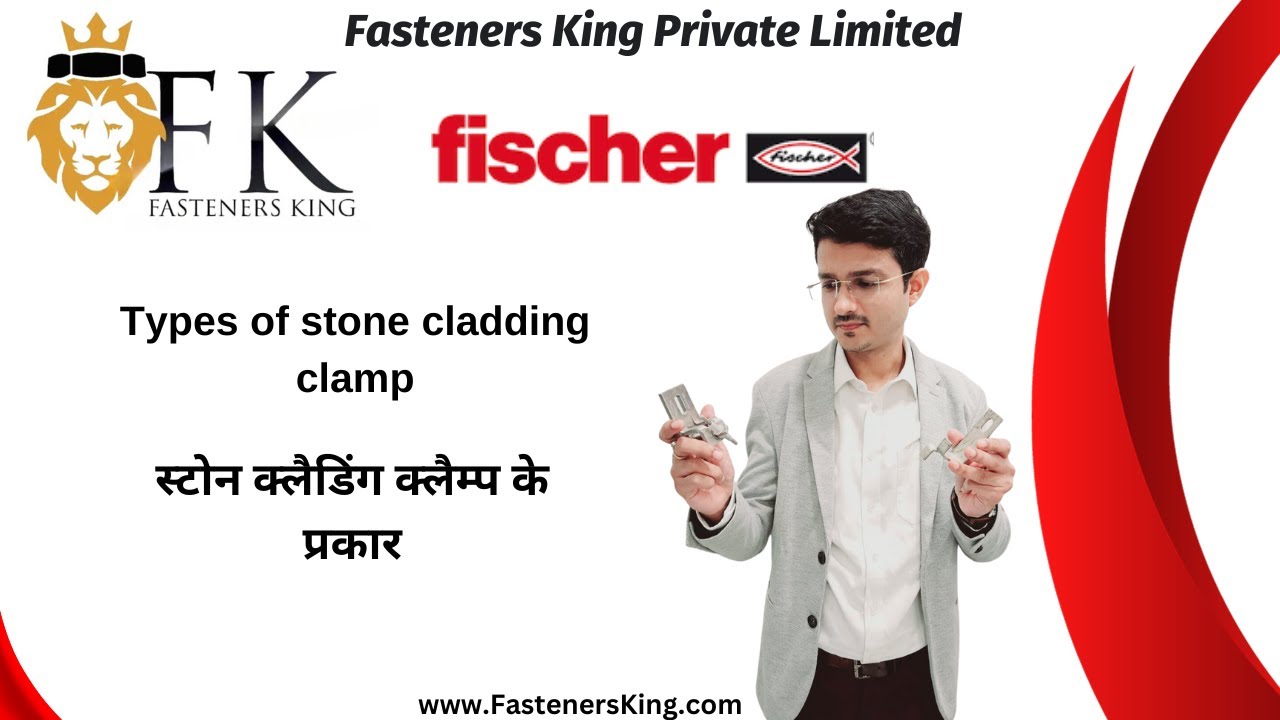
What Are the Types of Stone Cladding Clamps?

  • Post author:
  • Post published:
  • Post category:Videos

Stone cladding clamps are essential components in the construction and design of exterior and interior spaces. They come in various types, including Z-clamps, T-clamps, L-clamps, and undercut anchors, each designed to securely hold stone veneers or panels in place. Z-clamps are commonly used for vertical applications, offering a robust and concealed fixing method. T-clamps provide a secure grip on the top of stone panels, ensuring stability and support. L-clamps are versatile and suitable for horizontal or vertical installations. Undercut anchors, on the other hand, offer strong, concealed anchoring, making them a popular choice for stone cladding systems. These clamps not only enhance the aesthetics of a structure but also contribute to its durability and longevity.

Continue ReadingWhat Are the Types of Stone Cladding Clamps?

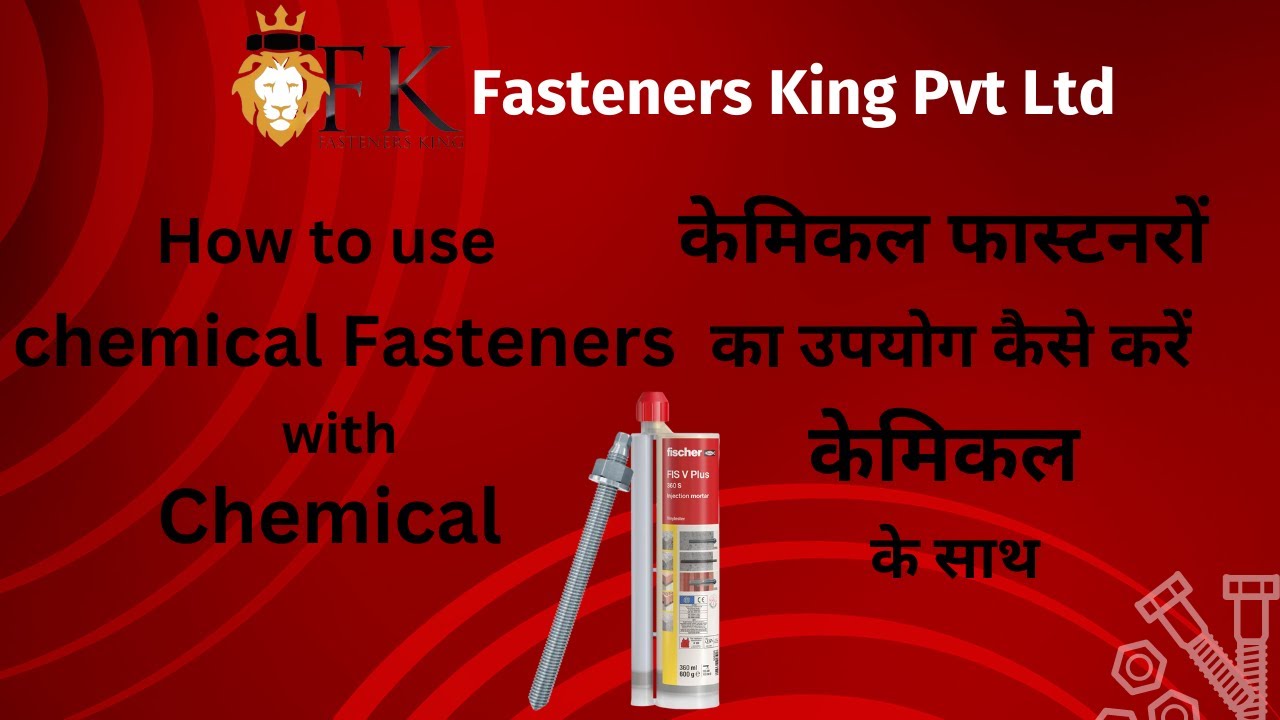
How Do You Use Chemical Anchors? A Step-by-Step Guide

  • Post author:
  • Post published:
  • Post category:Videos

Chemical anchors are versatile and reliable solutions for securely fastening objects to various substrates like concrete, masonry, or even steel. To use them effectively, start by drilling a hole into the base material, making sure it's clean and free of debris. After that, insert the chemical anchor cartridge, typically filled with epoxy or resin, into the hole. Then, place the anchor rod or stud into the cartridge and allow it to cure. This chemical bonding process ensures a strong and long-lasting connection, making chemical anchors ideal for applications where traditional mechanical fasteners may not suffice, providing excellent load-bearing capabilities and resistance to vibration and dynamic loads. Always follow the manufacturer's instructions for specific products and conditions to ensure a safe and reliable installation.

Continue ReadingHow Do You Use Chemical Anchors? A Step-by-Step Guide

Fasteners King Corporate Video

  • Post author:
  • Post published:
  • Post category:Videos

Corporate Video is a powerful storytelling tool that encapsulates the essence of our brand. With a captivating narrative, it takes viewers on a journey through our company's history, showcasing our commitment to quality, innovation, and customer satisfaction. Through a combination of engaging visuals and informative content, the video portrays our extensive product range, manufacturing excellence, and the values that drive us. This corporate video serves as a compelling introduction to Fasteners King, reinforcing our position as a leader in the fasteners industry and highlighting our dedication to providing top-notch solutions to our customers.

Continue ReadingFasteners King Corporate Video