Coronavirus disease 2019
COVID-19 is a contagious disease caused by the coronavirus SARS-CoV-2. In January 2020, the disease spread worldwide, resulting in the COVID-19 pandemic. The symptoms of COVID‑19 can vary but often…

COVID-19 is a contagious disease caused by the coronavirus SARS-CoV-2. In January 2020, the disease spread worldwide, resulting in the COVID-19 pandemic. The symptoms of COVID‑19 can vary but often…
Die Vorteile von Wettanbietern ohne Lugas für erfahrene SpielerWettanbieter ohne Lugas bieten für erfahrene Spieler zahlreiche Vorteile, die ihre Wettstrategien optimieren und das Spielerlebnis verbessern können. Während viele Spieler auf…
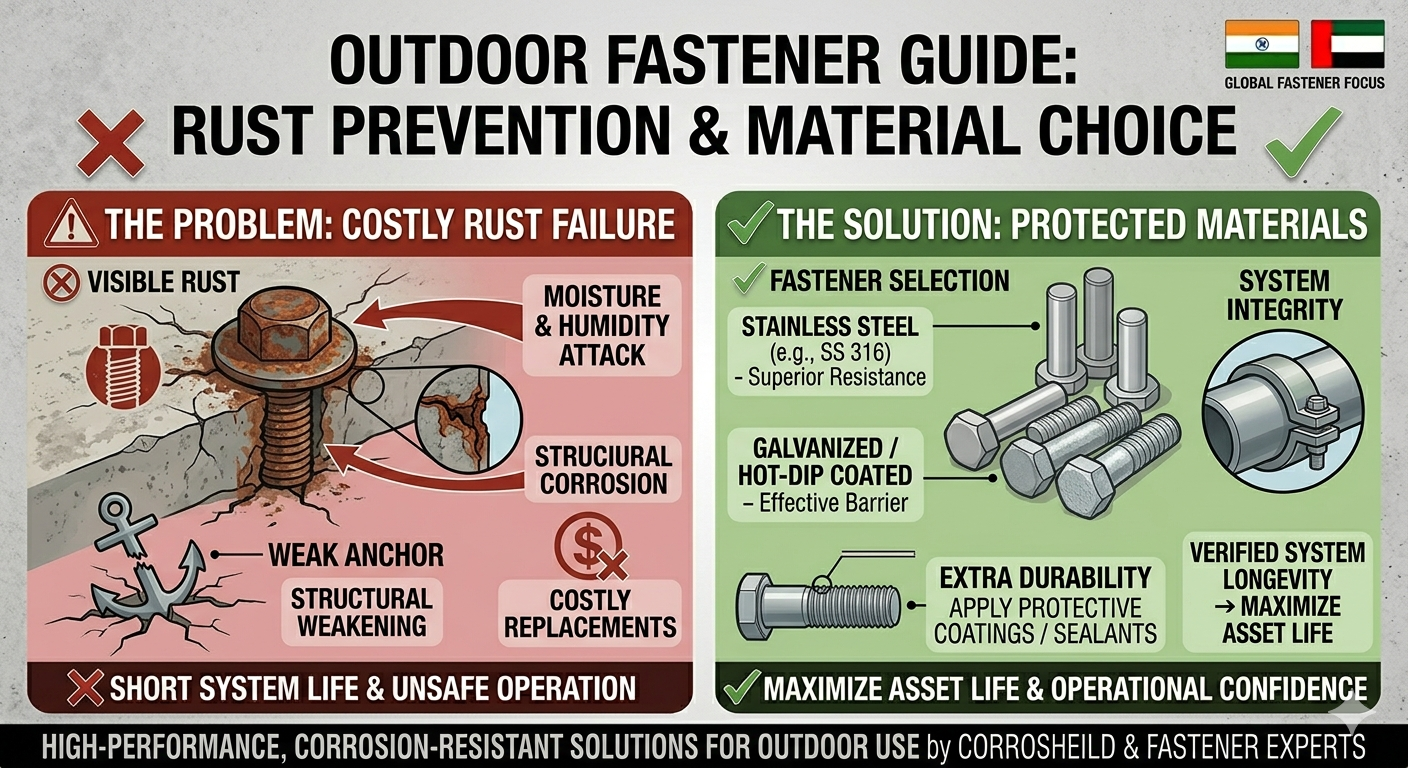
Outdoor fasteners — bolts, screws, and anchors — are constantly exposed to moisture, rain, and humidity, making rust the biggest threat to their strength and lifespan. Using the wrong fastener in an outdoor application leads to corrosion, structural weakening, and costly replacements. Always choose stainless steel, galvanized, or hot-dip coated fasteners for outdoor use, and apply protective coatings or sealants for extra durability in harsh environments.
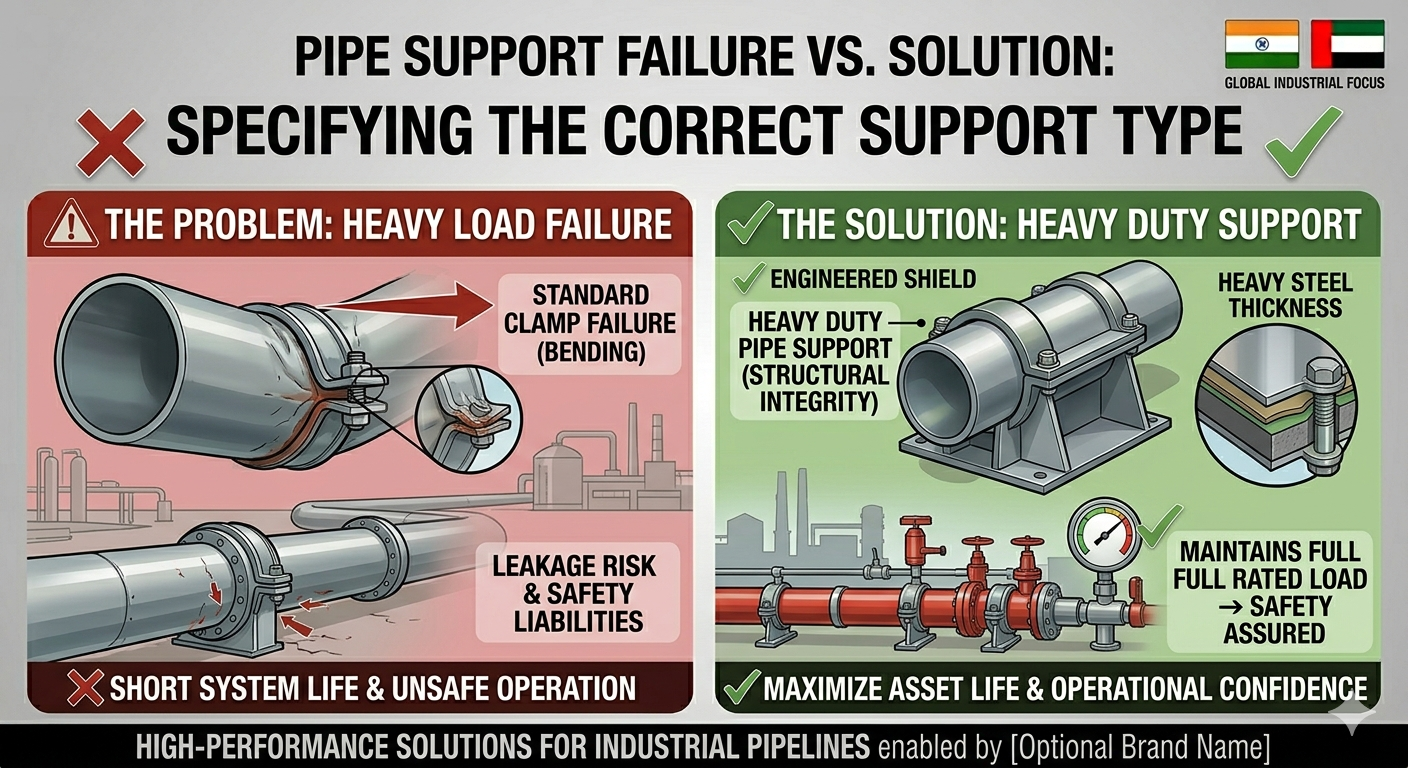
Standard clamps fail under heavy pipeline loads — causing bending, leakage, and safety risks. Our heavy duty pipe supports are built for industrial pipelines, large diameter pipes, fire fighting lines, and high-load applications. Choose the right support system — call us before finalizing your clamp selection.
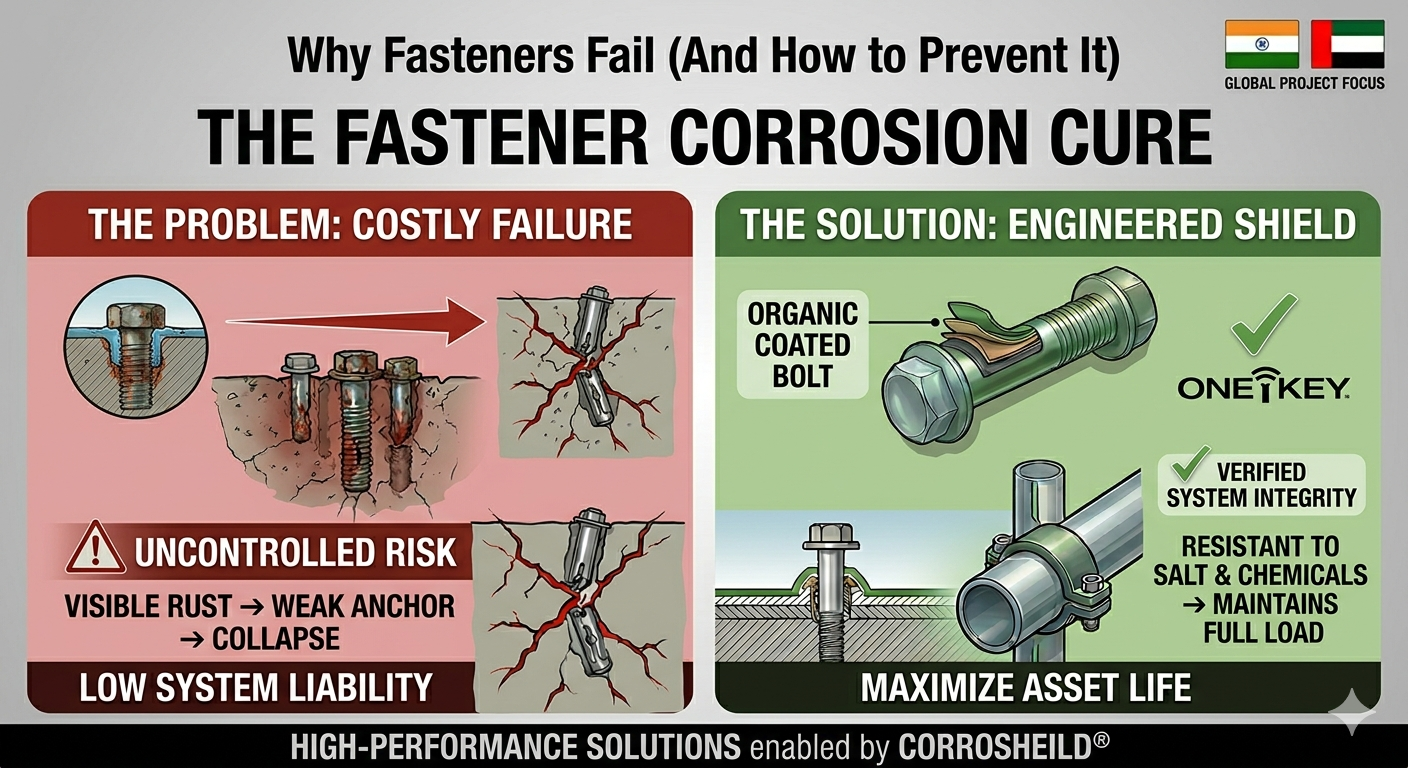
Corrosion is the silent destroyer of fastening systems — it starts invisibly at the molecular level and progresses steadily until a bolt, screw, or anchor that once held a rated load suddenly fails without warning, putting structures, systems, and lives at risk. From coastal salt air and industrial chemical exposure to urban pollution and monsoon moisture, the environments that accelerate fastener corrosion are present on almost every construction project across Delhi, Assam, Dubai, and beyond. Understanding why fasteners corrode, which materials and coatings provide genuine long-term protection, and how to specify the right corrosion resistant fastening solution for your specific environment is the difference between a structure that performs reliably for decades and one that begins failing within years of completion.
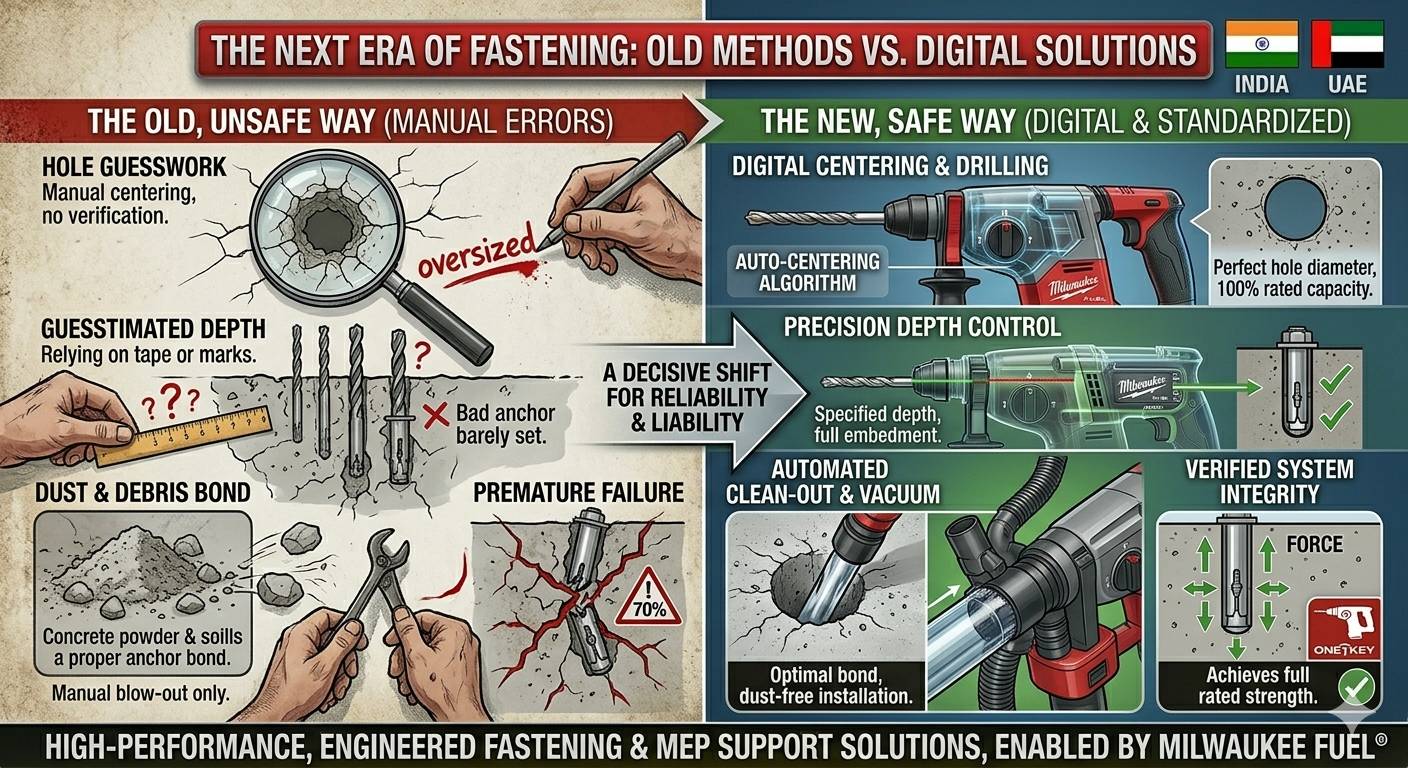
Here's a short description for that topic: Professional Drilling Tools for Anchor Installation – Why Your Tool Quality Determines Your Fastening Quality When it comes to anchor installation, the quality of your drilling tool is not a minor detail — it is the foundation of every fastening connection on your site. A worn-out or low-quality drill machine produces oversized holes, inconsistent depth, and poor hole finish that can reduce anchor load capacity by up to 70 percent before the anchor is even installed. Investing in professional-grade drilling equipment like Milwaukee ensures accurate diameter, correct depth, and clean hole geometry on every installation — giving every anchor on your site the precise foundation it needs to perform at its full rated strength.
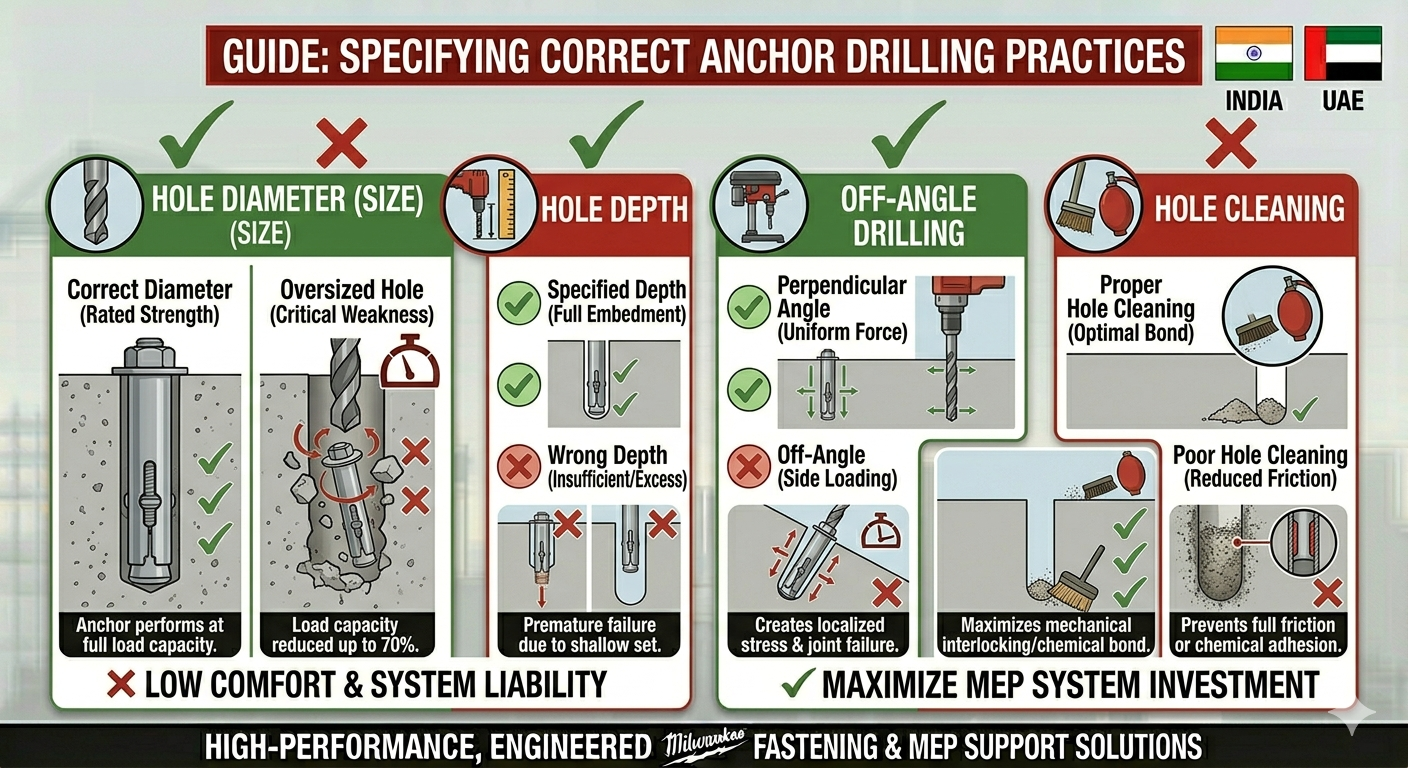
When it comes to anchor installation, the strength of your fixing is only as good as the hole it sits in — and this is the one truth most sites learn the hard way after a failure has already occurred. An oversized hole, wrong depth, off-angle drilling, or poor hole cleaning can reduce anchor load capacity by up to 70 percent, turning a certified high-performance anchor into a serious liability. Get the drilling right from the very first hole and give every anchor on your site the foundation it needs to perform at its full rated strength.
If your building's pipeline system is producing vibration noise, unusual movement, or persistent disturbance, the real culprit is most likely not the pipe — it is the wrong type of clamp. Rubber lined pipe clamps are specifically engineered to absorb vibration, reduce structure-borne noise, and protect pipe surfaces in HVAC, plumbing, and mechanical systems across commercial and industrial buildings. One small upgrade in clamp specification can deliver a dramatic improvement in system performance, occupant comfort, and long-term pipeline reliability.
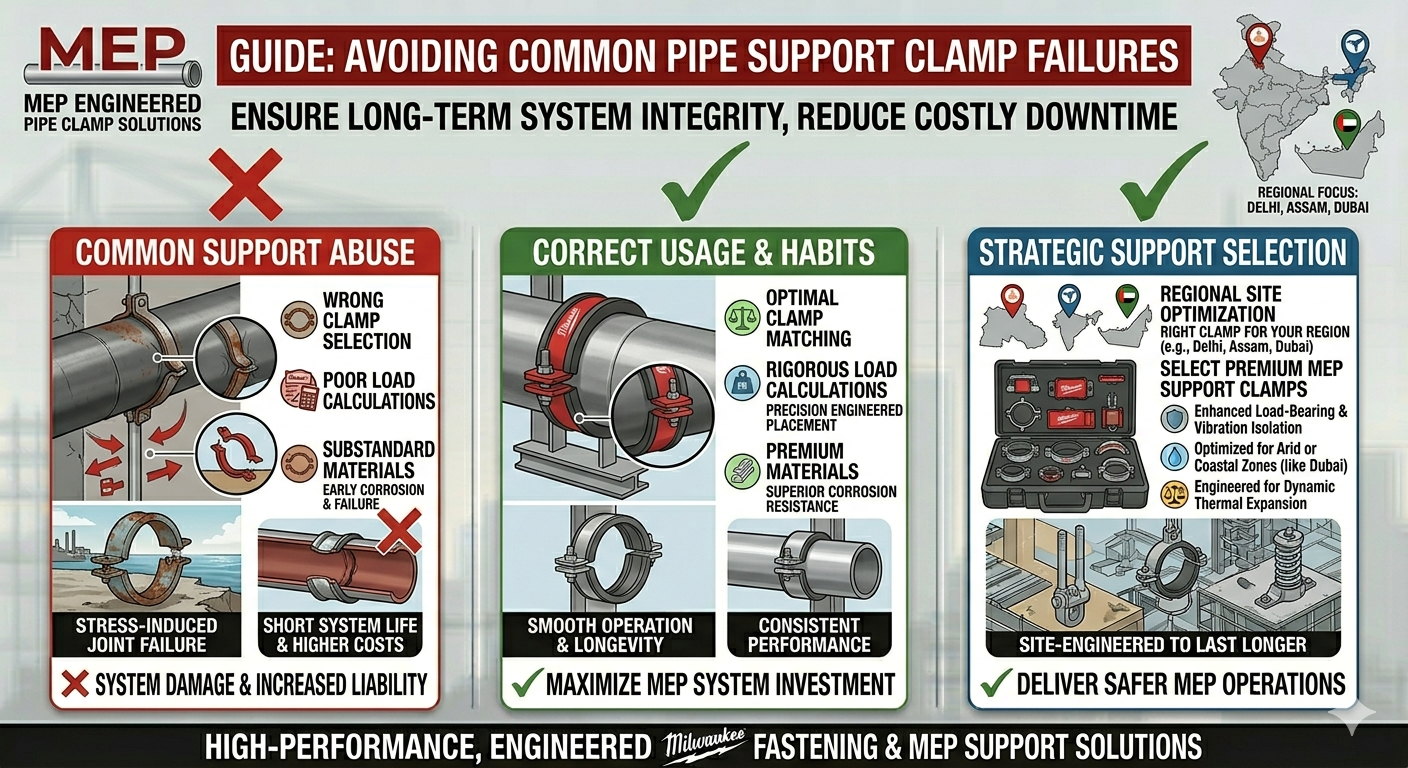
In MEP projects, pipe support clamps are the silent backbone of every plumbing, HVAC, and mechanical system — and when they fail, the consequences are costly, disruptive, and sometimes dangerous. From wrong clamp selection and poor load calculations to substandard materials and improper installation, pipe support failures are far more common than they should be across projects in Delhi, Assam, and Dubai. Choosing the right pipe support clamp supplier who understands MEP applications, regional environmental conditions, and load-bearing requirements is the single most important decision you can make to ensure long-term system integrity and project success.
Using a power tool incorrectly is one of the most common and costly mistakes made on construction sites every single day. Wrong speed settings, incorrect bits, and lack of basic maintenance silently reduce performance, damage materials, and shorten tool life far before its time. Learn the most critical power tool mistakes to avoid on site and how correct usage, proper accessories, and simple maintenance habits can deliver better results, safer operations, and a longer life for every tool in your kit.